Categories
Hot Insights
See All
-

Does Nicotine Raise Blood Pressure? Explore The Link, Prevention Strategies, and More
Does smoking cause high blood pressure? In the short term, yes. Every time you smoke, it causes a temporary increase in blood pressure (1). Blood pressure increases when blood has difficulty traveling through the blood vessels. In simple terms, it’s like you’re in a tunnel with a lot of people, and you need to make […]
-
Back Pain After Sleep: Causes, Chiropractic Care, and Other Remedies
Back hurts after sleeping: Common causes Poor sleep habits and an unsupportive sleep environment are common culprits behind back pain after sleep (5, 6). However, underlying medical conditions like arthritis, disc herniation, and fibromyalgia can contribute to the condition. Here’s a look at the common causes. Poor sleeping position Sleeping on your stomach can force […]
-
Are There Cancer Killing Foods? Healthy Fats Can Help
What are healthy fats? Healthy fats are essential fatty acids that are vital to many bodily functions. Essential fatty acids fall into two categories: monounsaturated and polyunsaturated fats. Monounsaturated fats (MUFAs): MUFAs help lower bad cholesterol, reducing the risk of heart disease and stroke (6). These fats also provide essential building blocks for your body’s […]
-
Can Type 1 Diabetes Be Cured? Discover Latest Breakthrough
Type 1 diabetes average life expectancy Before the introduction of insulin therapy in 1922, T1D was a fatal diagnosis. Still today, experts say that without insulin therapy, individuals with T1D have a lifespan of days to weeks, depending on the severity of complications (3). With insulin, however, people are living longer with T1D now than […]
-
How To Stop Back Spasms With Core Stability Exercises and More
What causes muscle spasms in the back? Various factors, such as muscle strain, stress, injuries, or medical conditions, cause back muscle spasms. Let’s examine the symptoms and causes of back muscle spasms in detail. Symptoms of back muscle spasm Back spasms cause great discomfort. This is why it’s important to recognize their symptoms. If you’re […]


Video Series
See All-
Half the World Eats Rice Toxins Daily That Damage Kidneys
-
See How Spinach Can Damage Your Kidneys
-
Avoid These 7 Plant-Based Foods That Can Damage Your Kidneys
-
These 7 Daily Habits Can Help Lower Your Creatinine Levels | Improve Kidney Health
-
9 Skin Signs That May Indicate Your Kidneys Are Damaged
-
Surprise! Drinking Water Wrongly Can Damage Your Kidneys
-
9 Fruits to Lower Creatinine Levels and Improve Kidney Health
-
Top 9 Drinks To Help Stop Proteinuria and Heal Your Kidneys
-
Urinating Every 2 Hours? 11 Reasons Why (Plus Home Remedies)




Advisory Board
Learn more-
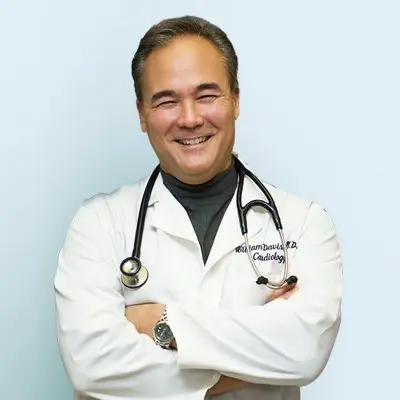
William Davis, MD
Cardiologist Director of Biotechnologies, Northern Medical Center, NYDr. William Davis is a cardiologist and New York Times #1 bestselling author of the Wheat Belly book series. He is Medical Director and founder of the Undoctored program including the Undoctored Inner Circle. He is Chief Medical Officer and co-founder of Realize Therapeutics Corp. that is developing innovative solutions for the disrupted human microbiome and author of the book Super Gut.
-
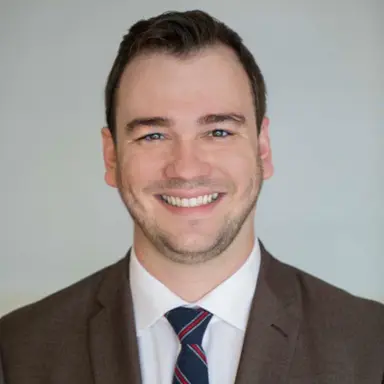
Anthony Cardillo, MD
Clinical Pathology American Board of Pathology, Board Certified in Clinical PathologyAnthony Cardillo is a Clinical Instructor at NYU in New York City. He is a board-certified Clinical Pathologist that specializes in the natural history of disease. He was named to The Pathologist magazine's Power List in both 2021 and 2022 as an early-career leader, and his research interests include the use of machine learning to gain new insights into traditional medicine. His recent publications have been featured in the American Journal of Clinical Pathology and the New England Journal of Medicine.
-
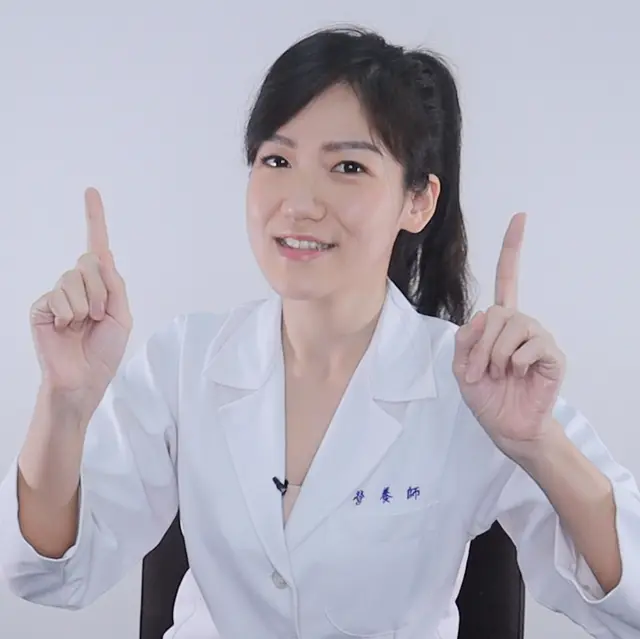
Peifen Chou, RD
Nutritionist Obstetrics and gynecology, lactation instructor, integrative medicine, aromatherapist, holistic nutritional consulting, functional medicine, and pet nutrition.Peifen is a certified dietitian in Taiwan with a Master's degree in Health and Nutrition from a institute of food science and technology. As a RD in obstetrics and gynecology, She has served over thousands of pregnant women for more than six years, providing comprehensive dietary planning and nutrition counseling for their physical and mental well-being during pregnancy and postpartum, as well as providing diet education and support for mothers with gestational diabetes. To support more postpartum mothers with lactation difficulties, Peifen went to study and obtained a lactation instructor certification in order to help novice mothers and fathers. At the same time, Peifen has also honed her expertise in different fields based on the medical foundation of dietitian. She enjoys exploring mindfulness and mental health, thus taking courses in mindful eating, aromatherapy certification, holistic therapy. Meanwhile, she improving diabetes health education in orthodox medicine, hoping to better integrate mindfulness and orthodox medicine. As a cat owner, Peifen also had the opportunity to develop canned cat food, leading her to research pet nutrition and produce healthy canned food suitable for cats to consume long-term, which is now sold in stores and website. During her spare time, besides traveling and entering the forest, Peifen also enjoys using the characteristics of ingredients and scientific analysis to make dishes and desserts, as well as growing herbs that can be used for cooking. All of them are her sources of happiness.
-
Donna Schwontkowski, DC (retired), MS and BS Nutrition, Herbology
Clinical Nutrition, Deficiency Diseases, Heavy Metal & Environmental Toxins, Detoxification, Chiropractic Medicine, Herbal Healing Master Herbalist certification in herbs from the School of Natural Healing BS NutritionDr. Donna Schwontkowski is a retired chiropractic physician with a master’s degree in Nutrition and Herbology. She has focused her career on three primary areas: clinical nutrition, learning and memory, and health/self-improvement publications. Dr. Donna’s mission in life is to act as an intercessor for people in all three of these areas, allowing them via teaching them, working in groups with them, or mentoring them to reach their potential in health, learning and memory, and ability to transform one’s life. Dr. Donna was also a journalist for health and fitness magazines for 15 years, the editor of Sacramento, CA’s Health & Fitness Magazine, and Co-producer and host of a TV show on health for four years. She has taught hundreds of community courses on many aspects of health and natural healing to thousands of students over the years. Her accelerated learning background has also allowed her to teach thousands of college and postgraduate students science and dozens of children how to read five books in a week as well as how to learn any subject quickly, including health and science.
-
Amy Rogers, MD MPH FACPM
American Board of Preventive Medicine, Board certified in Aerospace Medicine, Occupational Medicine and General Preventive Medicine and Public Health. Preventive Medicine, Public Health, Lifestyle Medicine, Pandemic Response, Global HealthDr. Amy Rogers is a triple board certified physician by the American Board of Preventive Medicine in Aerospace, Occupational and Preventive Medicine, with two Masters in Public Health degrees. Dr. Rogers served her country dutiful for 11 year as doctor for The United States Navy, providing support in outbreak investigations, pandemic planning, global health education, and aerospace medicine. As a Navy Global Health Specialist she provided education to multiple partner countries public health medical teams across multiple continents. For the past three years, as the COVID-19 lead for Naval Forces Europe and Naval Forces Africa, she oversaw the U.S. Navy medical and logistical response across two continents and 7 medical facilities. During Preventive Medicine residency at the Uniformed Services University, she focused on Women’s Health providing award winning research on the impacts of pregnancy on physical fitness, and helping develop a curriculum in Women’s Health and Preventive Medicine. She was selected to the prestigious Delta Omega Preventive Medicine Honor Society and was co-chief resident. She also completed the American College of Lifestyle Medicine Lifestyle Core Competency Course, and earned a graduate certificate in Global Health and Development from Uniformed Services University. She is also a Fellow of the American College of Preventive Medicine. Dr. Rogers continues to see patients for the United States Navy Reserves and as a primary care provider. She is using her background in agriculture and global health to explore how different cultures, with focus on farming, natural remedies and food, impact a populations health and approach to disease management. In her free time, she is building her own farm in Vermont that will explore the medicinal properties of plants and the natural environment she was exposed to as she explored other cultures during her world travels.
-
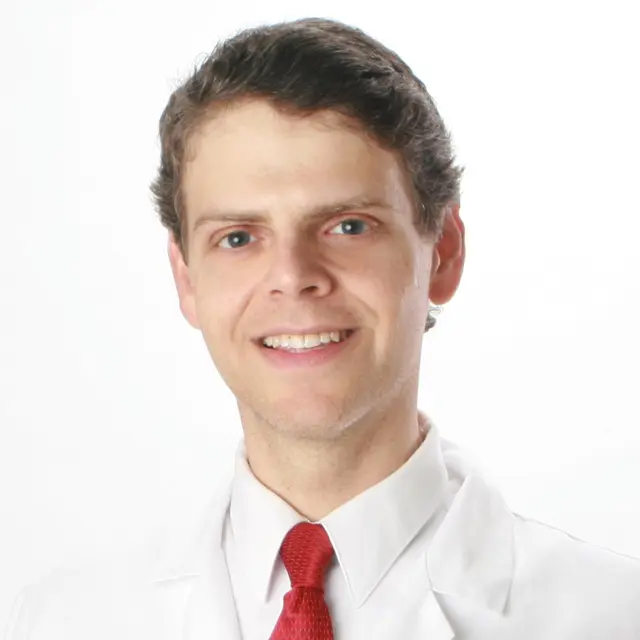
Ari Magill, MD
Neurology American Board of Neurology and Psychiatry (ABPN) board-certified in Neurology, Certification as a functional medicine health coach through the functional medicine coaching academy (FMCA)Ari Magill, M.D. is a board-certified neurologist who received his M.D. from UT Southwestern Medical School in Dallas, TX and completed a neurology residency at the University of Arizona in Tucson, AZ and a fellowship in movement disorders at the University of Colorado in Aurora, CO. He enjoys medical writing and has a special interest in cognitive, behavioral, and memory disorders and functional medicine health coaching. He is passionate about advancing dementia treatment through neuroscience research and aggressive lifestyle change aided by judicious use of supplements. Dr. Magill is an avid bicycle rider, a film enthusiast, and enjoys playing basketball in his free time. In the past, Dr. Magill worked as a neurohospitalist at Northwest Medical Center in Tucson, AZ and worked as a traumatic brain injury (TBI) exam neurologist, conducting independent TBI exams for disability assessment on veterans and active-duty military personnel. He has also worked as a physician clinical research investigator for Synexus, Cognitive Clinical Trials, and the IMA Group. Dr. Magill writes and edits on a variety of topics, including acute and chronic disease, health maintenance, and preventive care, with a focus on neurologic disease and mental health. He has been a freelance medical writer since 2016.
-
Sean Lin, Ph.D.
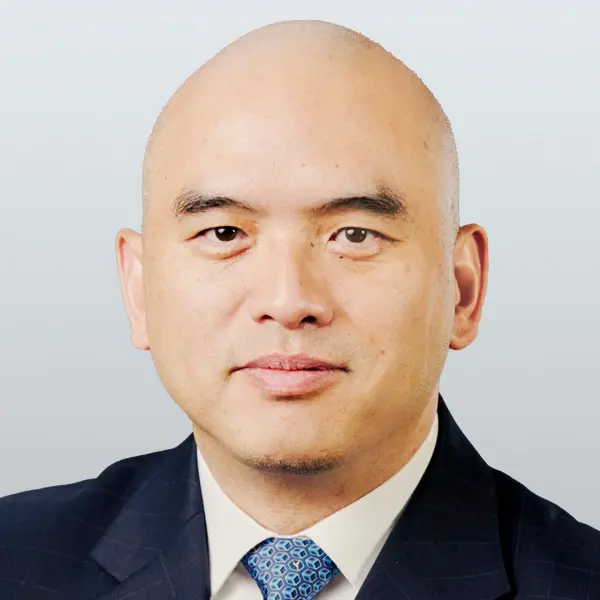
Microbiologist & Former US Army Preventive Medicine SpecialistDr. Xiaoxu Sean Lin is an assistant professor in the Biomedical Science Department at Feitian College in Middletown, N.Y. Dr. Lin is also a frequent analyst and commentator for Epoch Media Group, VOA, and RFA. He is a veteran who served as a U.S. Army microbiologist and also a member of Committee on the Present Danger: China.
-
Gina M Jansheski, MD FAAP
Licensed physician, Fellow of the American Academy of Pediatrics, fellowship in Developmental & Behavioral Pediatrics, graduate of the Harvard Palliative Care Education and Practice Program, eCornell University Certification in Plant-Based Nutrition General PediatricsDr. Gina has over 22 years of practice experience in pediatrics. She attended the University of Arizona College of Medicine for her M.D., where she also completed her residency training in general pediatrics. She then chose to attend a one-year fellowship in Developmental and Behavioral Pediatrics at The Child Development Unit, Children’s Hospital Colorado, which emphasized the evaluation of children with genetic conditions, autistic spectrum disorders, and child abuse. She then entered the field of pediatric hospitalist medicine and became the medical director of Tucson Pediatric Hospitalists. She was personally responsible for year-round, 24/7 coverage of the busy inpatient pediatric unit, well newborn nursery, emergency department consultations, supervision of the Pediatric and Family Medicine residents, procedural sedation service, and TMC pediatric hospice. She founded a child abuse review team and Tucson Lifeline for Children (TLC), a pediatric palliative care program that was the first of its kind in her area. She then moved on to another medical director position at The Painted Turtle, one of the Paul Newman Serious Fun camps for children with life-threatening medical conditions. This was another highly energized position with full responsibility for the medical care of children with kidney and liver transplants, hemophilia, spina bifida, immunodeficiencies, rheumatic conditions, skeletal dysplasia, developmental disabilities, and more, offering them the chance to experience an authentic camp experience all year. She directed a state-of-the-art, on-site medical facility and coordinated all medical services, supplies, protocols, and personnel. The camp offered specialized medical care during specific sessions, including a fully-stocked pharmacy, G-tube feedings, hemophilia care, kidney dialysis, CPAP, supplemental oxygen, tracheostomy care, and 24-hour oral and IV medication management. She made sure the nurses and physicians specializing in each medical condition were on camp to staff all sessions requiring their particular skills and expertise. She was integral in the development of sessions for children with cerebral palsy and developmental disorders.In her last years of practice, Dr. Gina decided to focus on outpatient pediatrics, working in a private office for a couple of years and providing locum tenens physician services in areas of need. After some study, she retired from practicing medicine and made the transition into medical editing and review through her new company, Helping Hands MD Editing.
-
Joel Warsh, MD, MSc
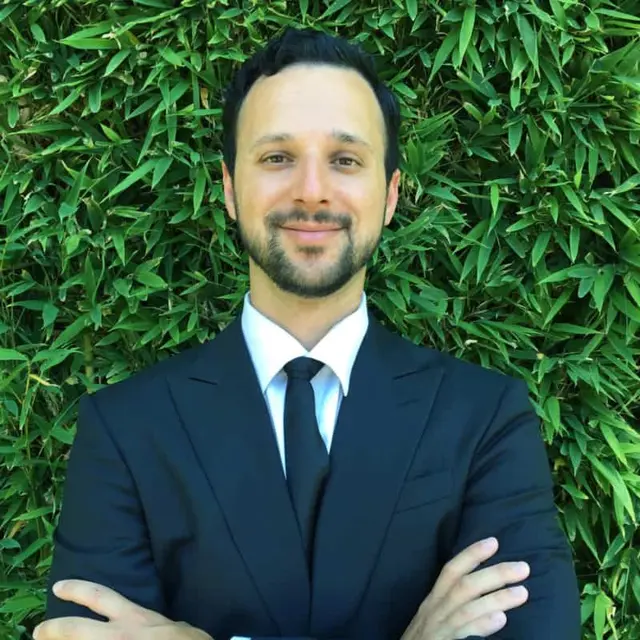
Pediatrician Pediatric and Adolescent Medicine, Integrative MedicineJoel Warsh is a Board-Certified Pediatrician in Los Angeles, California who specializes in Parenting, Wellness and Integrative Medicine. He grew up in Toronto, Canada and completed degrees in Kinesiology, Psychology and Epidemiology and Community Health before earning his medical degree from Thomas Jefferson Medical College. He completed his Pediatric Medicine training at Children’s Hospital of Los Angeles (CHLA) and worked in private practice in Beverly Hills before founding his current practice, Integrative Pediatrics and Medicine Studio City, in 2018. Dr. Gator has published research in peer-reviewed journals on topics including childhood injuries, obesity and physical activity. He has been featured in numerous documentaries, films, summits, podcasts and articles including CBS, Fox, LA Parent, Washington Post, MindBodyGreen, and many others. He is also the founder of the Parenting Masterclass Platform Raising Amazing which can be found at RaisingAmazingPlus.com Dr. Joel Gator may be best known for his popular Instagram DrJoelGator where he offers weekly parenting and integrative pediatric support. He is a consultant for high-profile brands in the health and wellness space. Dr. Gator is married to Sarah Intelligator, an attorney, whose Holistic Divorce and Family Law practice is located in Beverly Hills. For almost 20 years, she has taught yoga throughout Los Angeles. Dr. Joel was given the nickname, Dr. Gator, by his peers after marrying Sarah Intelligator (yes that is her real last name) and the nickname stuck. Dr. Gator is an avid athlete, foodie and traveler.